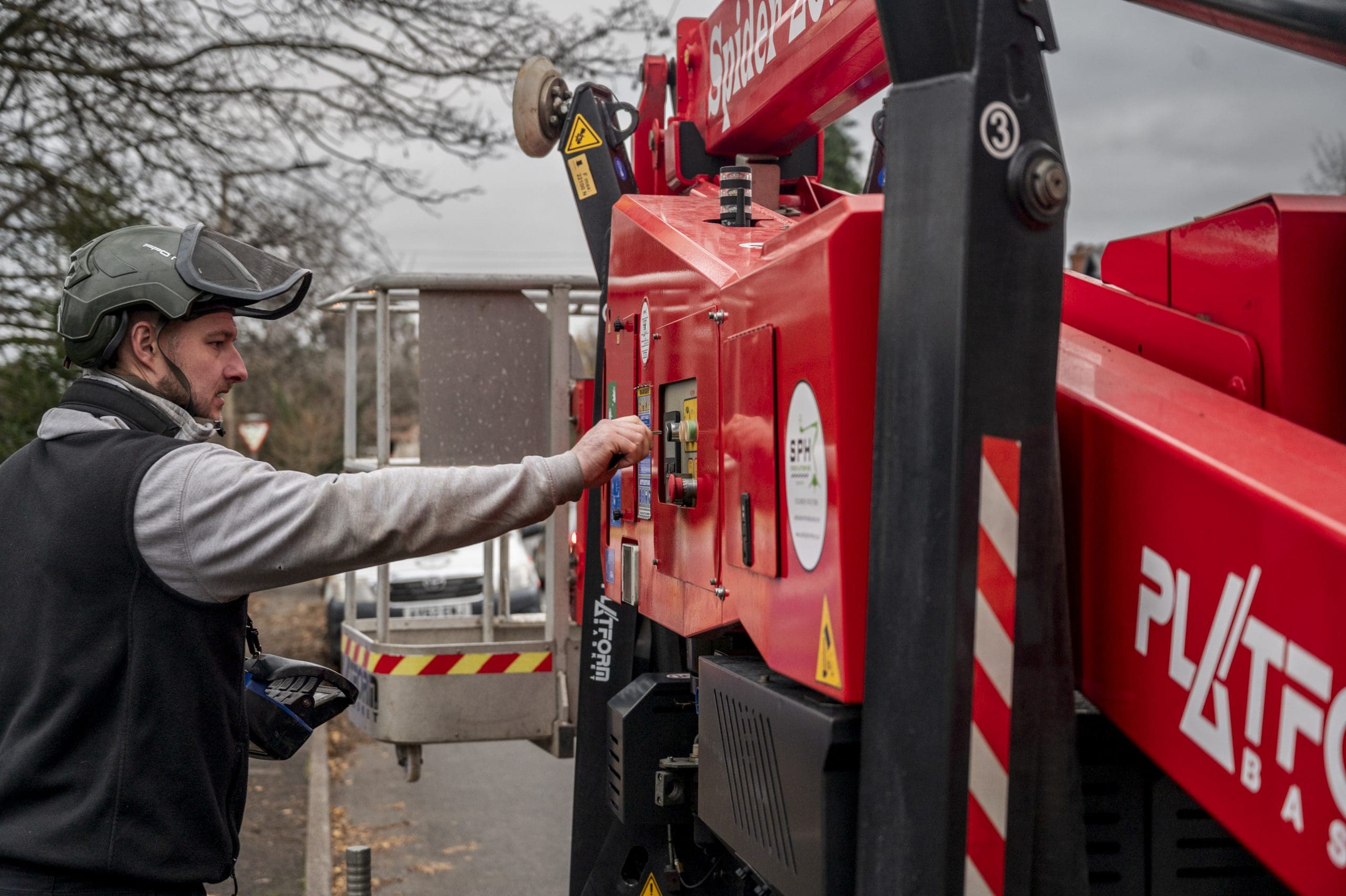
Most people don’t realise how much access affects the overall cost of a job until something goes wrong.
On paper, it can look like a small decision. In reality, it influences everything that follows.
At Spider Platform Hire, we’re often brought in after a job has already hit issues, usually because the original access plan didn’t quite work.
How it typically plays out
It starts with a familiar approach.
You go with what’s been used before, or what feels like the safest option. The hire cost looks reasonable, and everything seems straightforward.
Then the job begins.
Access isn’t quite right.
Positioning takes longer than expected.
Extra labour is needed to work around limitations.
Before long, time starts slipping.
Where the real costs appear
These aren’t always obvious in a quote, but they show up in the job itself.
-
Delays that push timelines back
-
Additional labour hours
-
Re-hiring equipment or bringing in alternatives
-
Increased risk of damage or disruption
Individually, they might not seem significant. Together, they can have a real impact on profitability.
Why it keeps happening
It’s rarely down to poor decision-making.
More often, it’s because access is treated as a secondary consideration rather than a key part of planning.
But when access is right, everything else tends to fall into place more easily.
A more considered approach
Instead of asking, “What’s the cheapest way to reach this?”
It’s worth asking, “What’s the most efficient way to complete the job?”
That shift in thinking changes the outcome.
How spider lifts help reduce friction
Spider lifts aren’t the answer to every situation, but when access is restricted, they remove a lot of the friction.
They’re quick to deploy, easy to reposition, and adaptable to different environments. That means less time spent working around limitations and more time actually getting the job done.
The value of experience on site
When you combine the right equipment with an experienced operator, you reduce even more of that risk.
You’re not experimenting on the day. You’re working with a setup that’s been used in similar situations before.
That consistency is what keeps projects moving.